You usually start asking are roof boxes worth it at exactly the wrong moment – when the boot is already full, the kids’ bags are on the driveway, and somebody is suggesting a soft bag on the back seat. Extra space sounds simple until you are trying to travel safely, keep the cabin comfortable and avoid playing luggage Tetris for half an hour.
For many drivers, a roof box is one of those things that seems unnecessary until the first big trip. Then it becomes very easy to see the appeal. The real question is not whether roof boxes are useful. It is whether they are worth the cost, effort and compromises for the way you actually travel.
Are roof boxes worth it for most families?
Often, yes – especially if you take holidays by car, go camping, travel with children, or regularly find yourself short on boot space. A roof box gives you extra room without forcing you to upgrade your car, cram bags around passengers, or leave half your gear behind.
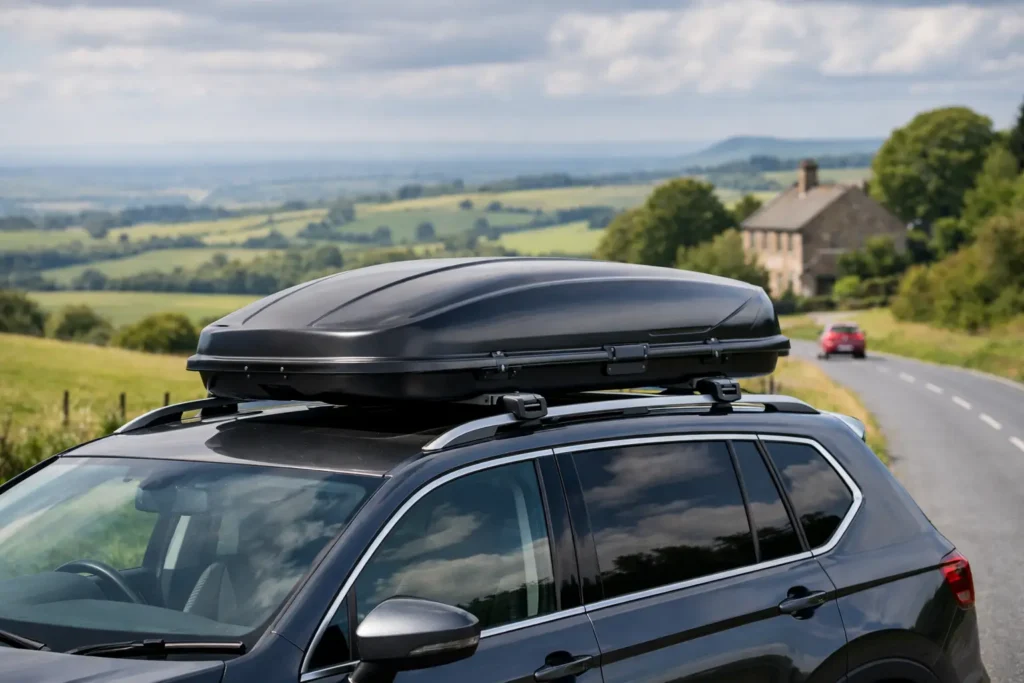
That extra capacity can make a surprising difference. Bulky but lighter items such as pushchairs, bedding, coats, travel cots and soft bags can move out of the boot and onto the roof, freeing up the main luggage area for heavier essentials. It can also make the journey itself more pleasant. Nobody wants a car packed to window height with children squeezed between pillows and changing bags.
For couples, the value depends a bit more on how often you travel. If it is one holiday a year and a couple of weekends away, a roof box can still be worthwhile, but buying one outright may not make as much sense. If you ski, camp, take UK staycations, or travel with dogs, it starts to look much more useful.
What makes a roof box worth the money?
The biggest advantage is simple – you get more usable space without changing vehicle. That matters because replacing a perfectly good car just to gain luggage room is expensive. A roof box is a far cheaper fix.
There is also a safety angle that gets overlooked. When a car is overloaded inside, loose items can shift under braking or in an accident. Keeping luggage properly secured in a roof box can be better than stacking bags around passengers or blocking rear visibility.
Convenience matters too. If you travel a few times a year, having access to extra storage only when you need it can be a very sensible middle ground. You solve the problem for the trip rather than paying for a larger car every day of the year.
For many people in Staffordshire, Wolverhampton and the wider West Midlands, the real value is in making family travel less stressful. That is hard to put a price on until you have done a long motorway run with an overpacked car.
When roof boxes may not be worth it
There are trade-offs, and it is worth being honest about them.
A roof box adds height to your car, which means you need to think about car parks, barriers and garages. If you are used to driving straight into a multi-storey without a second thought, that habit needs to change. It can also affect fuel economy, particularly on longer motorway journeys, because of added drag.
They are not ideal for every type of load either. Weight limits matter. Both the roof bars and the vehicle roof have maximum load ratings, so a roof box is best for lighter bulkier items rather than very heavy luggage. If your aim is to carry paving slabs, it is the wrong tool for the job.
There is also the question of frequency. If you hardly ever need extra space, buying a roof box can feel like poor value once you factor in the purchase price, roof bars, fitting and storage at home. A large box takes up room in a garage or shed, and not everyone has either to spare.
Buying versus hiring
This is where the answer often changes.
If you travel often enough, buying may be worthwhile. Over several years, regular use can justify the cost. You have the box ready whenever you need it, and you are not arranging anything each time.
But for plenty of motorists, hiring makes more sense than owning. You avoid the upfront cost of buying a decent roof box and the matching bars. You do not need to work out compatibility, spend time fitting it yourself, or find somewhere to store it for 50 weeks of the year.
That is especially true if you only need extra space for a summer holiday, a camping weekend, a Christmas family visit or a one-off airport run. In that case, paying for a short-term solution is usually far better value than buying equipment that will spend most of its life gathering dust.
Professional fitting is another part of the value. A roof box only works properly if the bars and fixings are right for your vehicle and everything is fitted securely. For first-time users, that reassurance can be just as important as the box itself. It removes the guesswork and gives you confidence before a long trip.
Are roof boxes worth it compared with other options?
Compared with squeezing more into the cabin, yes, usually. Passengers get more room, visibility is better, and the journey feels less chaotic. Compared with towing a trailer, a roof box is far simpler for most people. There is no towing experience needed, no extra wheels to deal with, and no separate trailer to store.
Compared with a tow bar box or rear carrier, it depends on the vehicle and your budget. Rear-mounted options can be easier to load, but they are not practical for everyone and often require more hardware. A roof box remains one of the most accessible solutions for standard family cars.
The main downside compared with doing nothing, of course, is cost. But that only tells half the story. If doing nothing means a cramped car, last-minute compromises and a more stressful journey, the cheapest option is not always the best value.
The hidden costs people forget
When people ask are roof boxes worth it, they often compare only the hire price or purchase cost. The better comparison is total cost and total hassle.
If you buy, you may also need roof bars, locks, fitting tools and storage space. If you fit it yourself and get it wrong, the consequences can be expensive and dangerous. If you decide later that the box is the wrong size for your car or your trips, that is money tied up in equipment you may not use much.
With hiring, the value improves when the service is straightforward. No deposit requirements, no need to pay until the day, and a pre-booked fitting appointment all reduce the usual friction. You are not just paying for plastic on the roof. You are paying to solve a travel problem quickly and safely.
That is why many customers find a local hire service more practical than ownership. South Staffordshire Roof Box Hire, for example, focuses on that exact gap – giving people a properly fitted, branded roof box for the time they need it, without the expense and storage problems that come with buying.
Who gets the most value from a roof box?
Families with young children are near the top of the list. Child seats already take up cabin space, and all the extras that come with family travel add up fast. A roof box can turn a cramped holiday into a manageable one.
People who go camping also tend to get good value because their kit is bulky. Couples with dogs often find roof boxes useful too, as the boot may need to stay free for the dog. And if you are visiting relatives for Christmas or heading to the coast for a week with half the house in tow, extra storage can save a lot of compromise.
If you drive a hatchback, small SUV or estate and love the car but occasionally outgrow the boot, a roof box is often the most sensible answer. It lets the vehicle do more without replacing it.
So, are roof boxes worth it?
If you need extra space more than once in a blue moon, want a safer and more comfortable cabin, and do not fancy buying a bigger car, a roof box is usually worth it. The bigger question is whether it is worth owning one.
For frequent travellers, maybe yes. For occasional holidays and one-off trips, hiring is often the smarter move. You get the benefit when you need it, without the cost and clutter the rest of the year.
The best choice is the one that makes travel easier, not more complicated. If a roof box helps you set off with enough room, clear visibility and one less argument on the driveway, that is money well spent.
